Shopping Cart

Ingredient

Rosemary

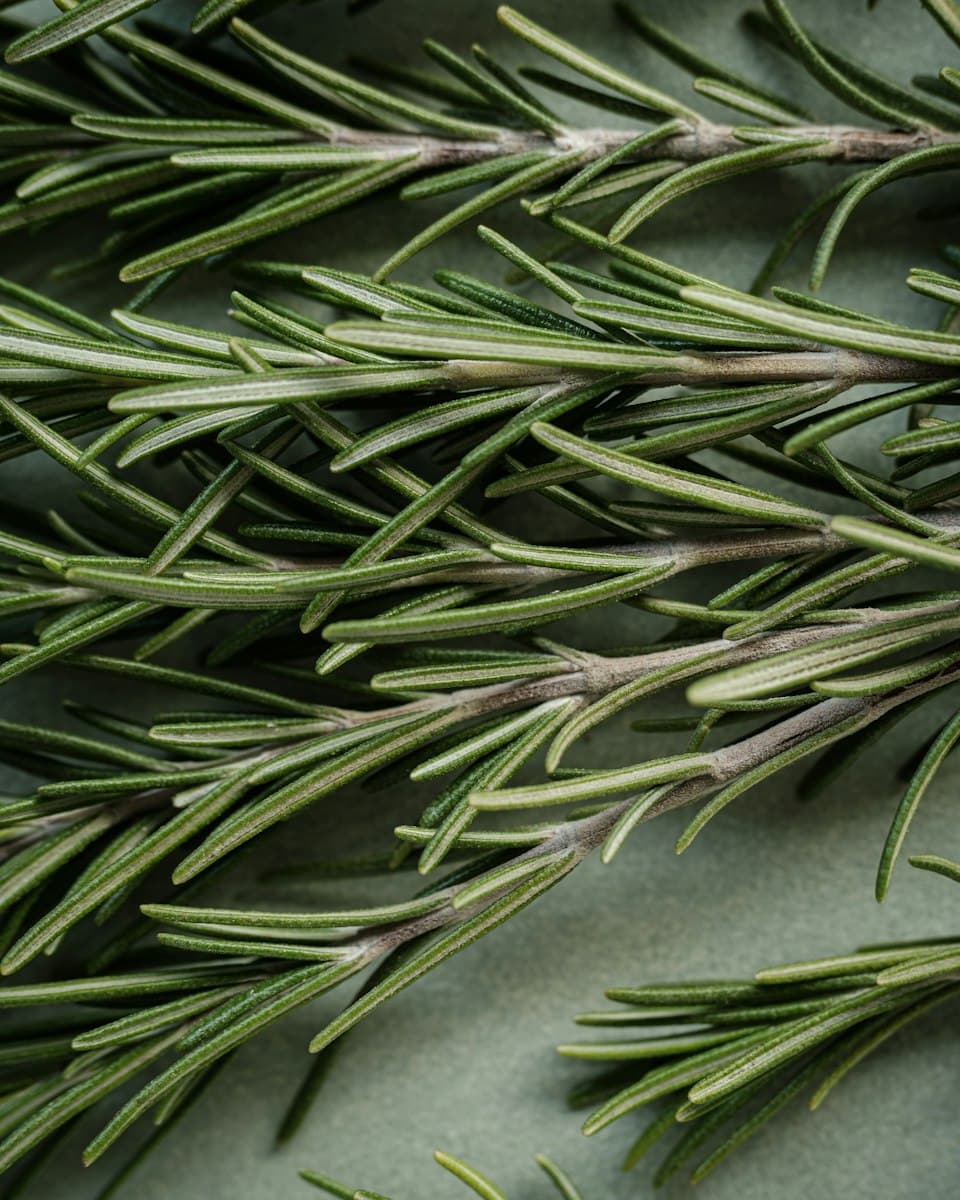
The hardy Mediterranean shrub whose leaf oil has been the most-named ingredient in Levantine hair-care for as long as records exist. Cosmetic-strength rosemary infusion in a base oil is the form most of our hair line uses.

Rosmarinus officinalis

At a glance

Part used
Leaves and flowering tops
Origin
Lebanon, Morocco and Tunisia (steam-distilled or oil-infused)
Process
Steam distillation for essential oil; warm infusion for cosmetic-grade carrier oils
pH
Not applicable (oil-soluble extract)

Rosemary

Why hair-care formulations reach for rosemary

Two compounds explain rosemary's persistent place in scalp formulations: 1,8-cineole and carnosic acid. The first is a mild vasodilator (the warm tingling sensation is real and harmless at cosmetic concentrations); the second is an antioxidant that survives oil infusion. Independent randomised trials on rosemary oil and androgenetic alopecia have produced mixed but cautiously positive results - we sell rosemary products as traditional hair-care, not as a treatment.

Cosmetic versus aromatherapy concentrations

Undiluted rosemary essential oil should never be applied directly to skin. Our hair oils, balms and shampoos use rosemary at cosmetic concentrations (typically below 1% essential oil, often as warm infusion in a carrier oil base). That ratio gives the scent and the mild scalp stimulation without the irritation, sensitisation or pregnancy cautions associated with neat essential oil.

Featured in

How Khan Al Saboun uses rosemary

Questions

Questions about rosemary

  • Will rosemary oil regrow my hair?
    We do not make hair-growth claims. The available randomised studies on topical rosemary suggest comparable performance to minoxidil 2% over six months in some studies of male androgenetic alopecia, but evidence is preliminary and we are selling hair-care, not pharmacology. If you are losing significant amounts of hair, the right first stop is a dermatologist, not a soap brand.
  • Can I use rosemary products if I'm pregnant?
    Cosmetic-concentration rosemary in finished hair oils and shampoos (below 1% essential oil) is considered low-risk. Neat rosemary essential oil should be avoided in pregnancy because of its 1,8-cineole and camphor content. If you are pregnant, prefer our hair oils and shampoos that are pre-blended in a base; do not add drops of pure essential oil yourself.
  • Does it sting? My scalp is sensitive.
    Most people feel a mild warmth or tingle, especially the first few uses, which is the cineole acting as a mild vasodilator. If you feel actual stinging, burning, or notice redness lasting more than 30 minutes, stop and rinse. Patch-test on a small area of scalp first if you have ever reacted to mint or eucalyptus products.
  • How often should I use rosemary hair oil?
    Two or three times a week is typical for a leave-in scalp massage. Daily use is fine but unnecessary; the active compounds need time to act on the follicle. For mask formulations (heavier oil), once a week before shampooing is the traditional cadence.
  • Does it smell strongly?
    Yes. Rosemary has an unmistakable resinous, herbaceous note that some people love and some find too sharp. Our formulations balance it with warmer carriers (olive, laurel) which round the scent; if you dislike rosemary scent, the rosemary scalp scrub is the gentlest on aroma because it is a mineral exfoliant first.

Keep up to date with us

Sign up to receive 10% off your first order and stay up to date on new collections, events and exclusive offers.

You can unsubscribe at any time. See our privacy policy.