Tripoli · Liban
L'huile d'olive, la soude et un artisanat qui a refusé de mourir.
Tripoli est une ville du savon depuis le Moyen Âge. Au XXe siècle, l'artisanat a failli disparaître - jusqu'à ce qu'un bijoutier du vieux souk perde tout et le fasse renaître. Voici l'histoire de Khan Al Saboun, racontée sans fard.
Une chronologie
- 1600s
Une caserne dans la médina
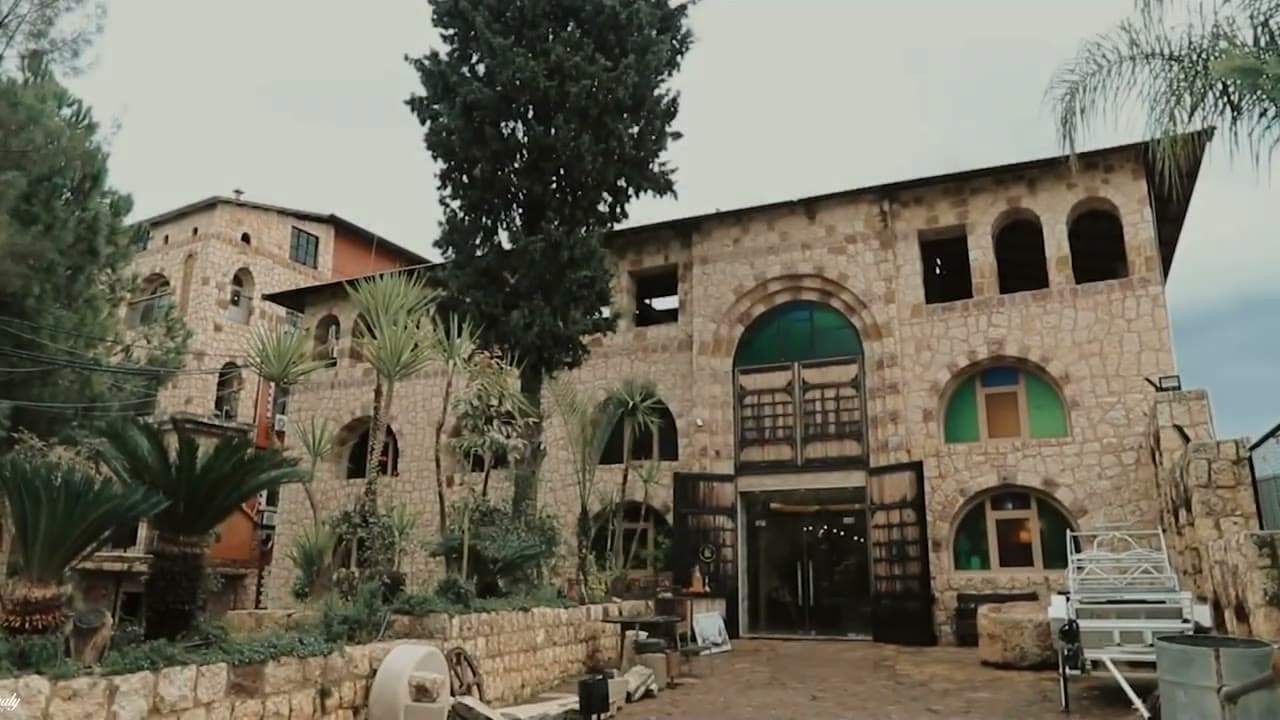
Yusuf al-Saifi, pacha ottoman de Tripoli, fait construire une caserne au cœur de la vieille ville - le bâtiment qui portera plus tard le nom du commerce du savon.
- 1700s
Le khan du savon
Le bâtiment passe aux marchands de la ville et devient Khan al-Saboun, le caravansérail du savon de Tripoli - la cour où les familles savonnières font mûrir et vendent leurs pains.
- 1800s
Une ville de savon
Les ateliers de Tripoli affinent la recette levantine : huile d'olive du Koura, trois jours à feu doux, huile de baies de laurier incorporée hors du feu, des mois de mûrissement sur des étagères de bois.
- 1950
L'industrie arrive
Le savon industriel casse les prix de l'artisanat. Les ateliers ferment l'un après l'autre et, au milieu du siècle, la fabrication au khan s'éteint.
- 1985
Le fond, au souk de l'or
Bader Hassoun, bijoutier du vieux souk de Tripoli, perd son commerce dans un cambriolage. Endetté, il se tourne vers l'artisanat qui fit jadis la renommée de sa ville.
- 1995
La renaissance
Hassoun relance la fabrication artisanale sous le nom de Khan Al Saboun et redonne vie aux anciennes recettes à finition froide.
- 2000s
Le village du savon
La famille construit un « village du savon » dans le district oléicole du Koura et commence à exporter - d'abord dans la région, puis vers l'Europe, le Golfe et l'Asie.
- 2026
Khan Al Saboun en Europe
Olea Vitalis, boutique en ligne estonienne établie à Tallinn, rend la gamme accessible aux clients européens, avec livraison dans toute l'UE.
Quatre-vingt-huit flacons, huiles et savons. En stock à Tallinn.