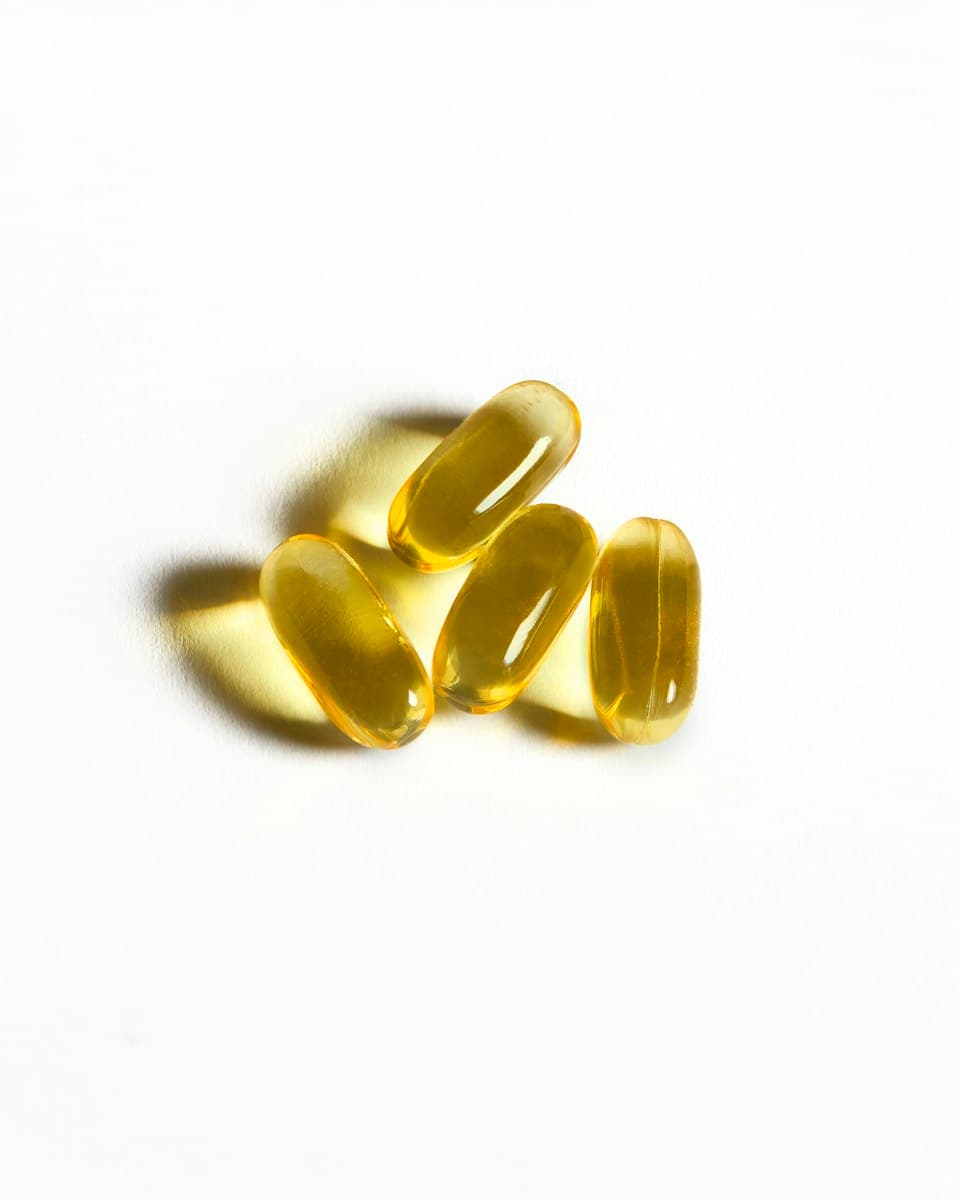
Mida see valmistootes tegelikult teeb
E-vitamiinil on kosmeetikas kaks selgelt eristuvat ülesannet ning tootepakendid neid harva eraldi välja toovad. Esiteks kaitseb see retseptuuri ennast - loovutades elektrone vabadele radikaalidele, aeglustab see pudelis olevate õlide oksüdatiivset rääsumist ja pikendab säilivusaega. Teiseks toetab see nahale kantuna õiges kontsentratsioonis (tavaliselt 0,1% kuni 2%) naha enda antioksüdantset kaitset UV-kiirgusest tekkivate radikaalide vastu. Need kaks ülesannet kattuvad: säilivuseks piisav E-vitamiini kogus annab ka mõõduka paikse antioksüdantse efekti.
Miks me selle nii paljude toodete INCI-loendis välja toome
Paljud meie kasutatavad külmpressitud õlid - argaaniaõli, magus mandliõli, seesamiõli - sisaldavad juba looduslikke tokoferoole. Lisame neile kontsentreeritud kosmeetikakvaliteediga E-vitamiini retseptuurides, kus oksüdatsioonioht on kõige suurem (kõik eeterlikke õlisid sisaldav, kõik läbipaistvas pudelis olev, kõik pikema eeldatava kasutusajaga). INCI-loendist otsige nimetusi Tocopherol või Tocopheryl Acetate - viimane on stabiilsem estri vorm, mis pärast naha poolt omastamist muundub aktiivseks E-vitamiiniks.