Base oil · Sesamum indicum

Sesame oil

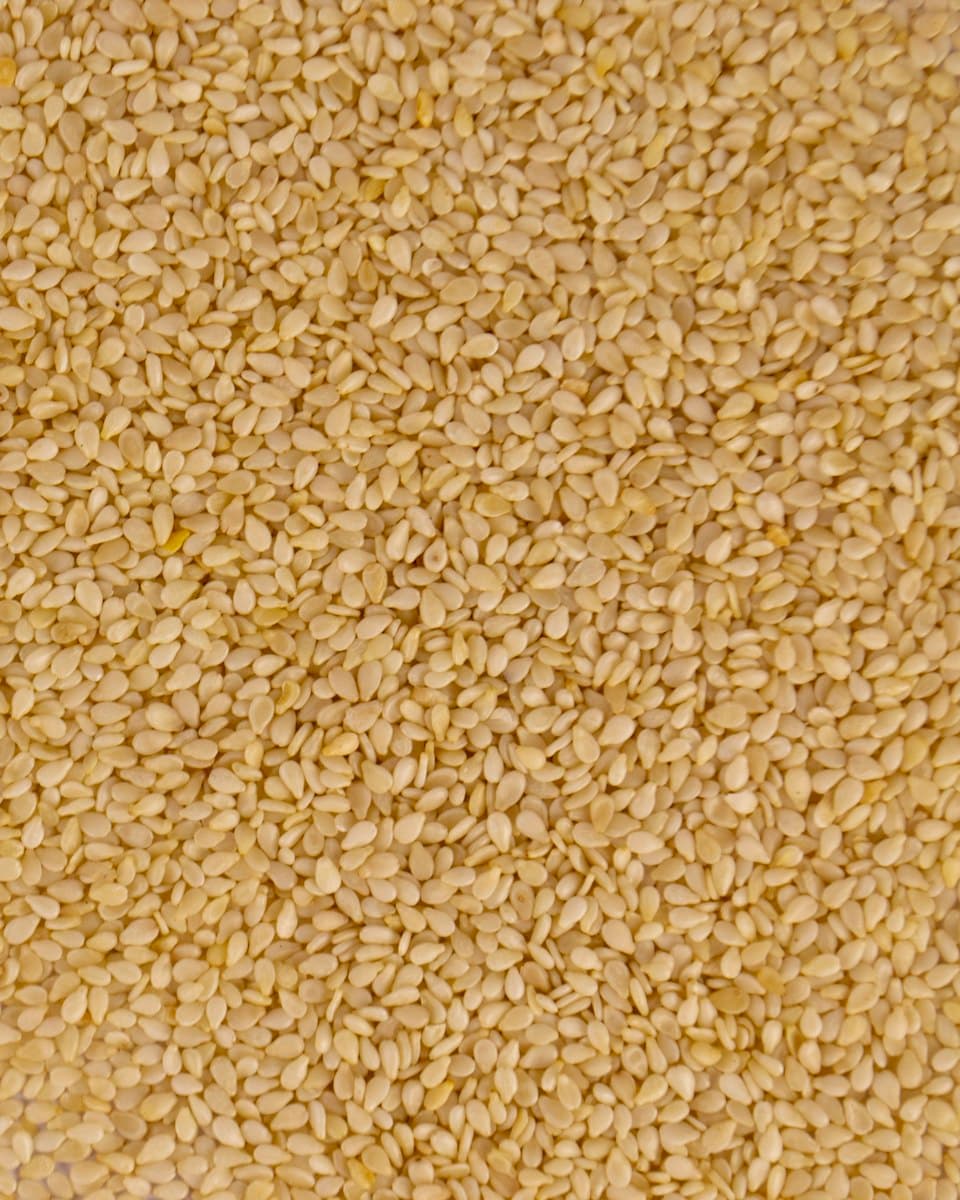
Cold-pressed from the small flat seeds of an annual flowering plant cultivated in the Mediterranean and the Indian subcontinent for at least five thousand years. A core carrier oil in Ayurveda and in Levantine body-oil tradition - and one of the two main carriers in our entire body-oil line.

Part used
Seed of the sesame plant (the small flat seeds, not the pods)
Origin
India, Sudan and the Levant - cosmetic grade from cold-press operations
Process
Cold-pressed unroasted (untoasted, pale-yellow oil); roasted version is for cooking only
pH
5.5 - 6.5 (skin-compatible)
In 34 products - see the shares
Sesame oil

Sesame oil

The Ayurvedic and Levantine traditions converge here

Ayurvedic abhyanga (self-massage with warm oil) traditionally uses sesame as its base oil - the standard Vata-pacifying preparation across most South Asian massage traditions. Levantine body-oil tradition independently arrived at sesame as a co-carrier with sweet almond. The biochemistry is the reason both traditions converged: sesame is rich in sesamol and sesamolin, two unusually stable antioxidants that protect both the oil itself and the skin from oxidative damage. Sesame keeps better than most cold-pressed oils for the same reason.

Cold-pressed unroasted versus toasted sesame

Two completely different products. Cold-pressed unroasted sesame oil is pale yellow, nearly odourless, and the cosmetic and Ayurvedic grade - this is what we use. Toasted sesame oil (dark amber, intense nutty aroma) is a culinary oil, and applying it to skin gives the smell of a Korean barbecue and the slight stickiness that toasting introduces. Always check the source: cosmetic-grade sesame should be specifically labelled cold-pressed and unroasted.

In 34 products

Share in each formula

Shares come from the certificates of composition, the same numbers each product page shows. Highest share first.

6 of 34 products

Questions

Questions about sesame oil

  • Will it smell of toasted sesame?
    No. Our finished body oils use cold-pressed unroasted cosmetic-grade sesame, which is nearly odourless. The aromatic profile of each product comes from the essential and aromatic oils (musk, lavender, rose, etc.) blended into the sesame-almond base, not from the sesame itself.
  • Sesame allergies - cosmetic relevance?
    Sesame allergy is the fastest-growing food allergy in many countries and was added to the EU and US mandatory-allergen labelling list in 2023. The cosmetic question is whether the trace proteins in cold-pressed sesame oil are enough to trigger reactions. Documented cases of cosmetic sesame-oil allergy exist but are uncommon. If you have a confirmed food sesame allergy, especially with anaphylactic history, treat sesame cosmetics with the same caution as the food and patch-test first or avoid altogether.
  • Sesame oil for hair - does it work?
    Yes, particularly for dry or coarse hair. Sesame is heavy enough to coat the hair shaft and protect against humidity but light enough to wash out without aggressive shampooing. Our green-tea hair-nourishing oil uses sesame as its main carrier for exactly this reason - it gives the slip and frizz control without the buildup that silicone-based products tend to leave.
  • How does it compare to coconut oil?
    Coconut oil is solid at most room temperatures and behaves differently on skin - dense, slow-absorbing, with a strong tropical scent. Sesame is liquid, light to moderate in absorption, and nearly scentless. For body massage and humectant body oils, sesame is the more versatile carrier; for intense conditioning hair masks where you want a thick film, coconut sometimes performs better. Different jobs, different oils.

Keep up to date with us

Sign up to receive 10% off your first order and stay up to date on new collections, events and exclusive offers.

You can unsubscribe at any time. See our privacy policy.